
Trusted by:









Multiple challenges.
Stability above all.
70% of pelleting failures in feed production come down to poor lubrication, leading to downtime, waste, and, above all, contaminated output.
Consequences of poor lubrication in feed pelleting:
Premature bearing wear.
Higher operating costs from product contamination.
Blocked production lines.
Unplanned downtime and lower productivity.
Precision lubrication to keep every variable in check.
Lubricants for feed pelleting.
Feed pelleting.
Heat and humidity put constant pressure on mechanism stability, demanding resistance where loads run highest and downtime costs the most. The right lubricant holds steady through these extremes, without giving way at the critical moment.
Withstands heavy loads.
Withstands extreme temperatures.
Excellent adhesion.
Food-grade, ensuring product safety.
Steam-resistant.
Excellent water washout resistance.
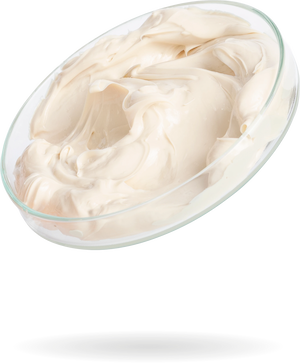
Aliplex P 515
High-performance grease for feed pelletizer bearings.
A grease formulated with a base highly resistant to moisture, built for strong performance in high heat and steam. Excellent adhesion to moving metal parts.
Features:
Food-grade NSF H1 | 500 cSt viscosity at 40°C | Beige color
Lubricants for milling.
Raw material milling.
Hammer speed generates constant vibration and accelerated wear at every bearing point. The right lubricant absorbs that motion without losing consistency, even under the continuous weight of grain.
Effective at high speeds.
Vibration-resistant.
Prevents premature wear in applications.
Food-grade, ensuring product safety.
Improved grease efficiency.
Corrosion protection.
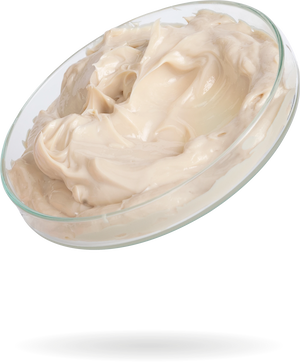
Aliplex CA 102
Grease for hammer mill bearings.
A high-performance grease with strong resistance to high temperatures, humidity, and steam. Delivers excellent protection against wear, corrosion, and rust.
Features:
Food-grade registration NSF H1 | NLGI Grade 2 | Beige color
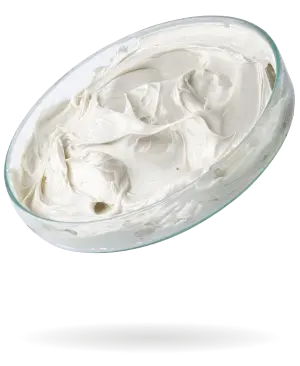
Sintaplex Zero HS
Synthetic grease for high-speed bearing lubrication.
A high-performance grease with strong mechanical and thermal stability and zero bleed, delivering long-lasting lubrication. Excellent behavior at medium and high speeds.
Features:
Ester-PAO base oil | Zero Technology prevents oil separation | Beige color
Benefits with a single objective:
superior results.
More than innovative lubricant technology, we focus on delivering a set of services that help you upgrade your lubrication practices strategically — and get better results because of it.
Benefits of our high-performance solutions:

Purpose-driven technology.
Lubricants designed to address your challenges and unlock your equipment's full potential.

Applied engineering.
We offer tools that translate complexity into precision and clarity for your maintenance operations.

Dedicated support.
More than just consulting, we partner with you to empower your team and transform your industry.

Strategic approach.
We pinpoint critical areas in your operations to identify the levers that maximize results.

Meaningful transformation.
Our integrated service guarantees process productivity and paves the way to a more sustainable future.

Efficient logistics.
We have built a distribution and transportation network that ensures local presence and on-time solutions.
Discover our success stories
We are the partner chosen by industry leaders around the world to transform the future of their industries. Learn how leaders across the globe are improving their results with our approach.
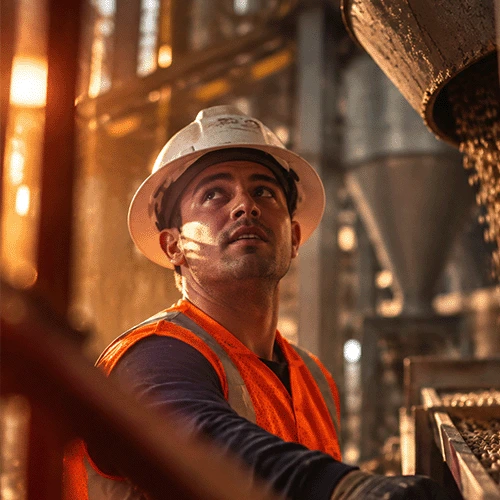
Maintenance team switches to load-resistant lubricant; recovers 10 hours of productivity.
Within months, a livestock feed manufacturer in Mexico logged its second unplanned shutdown of the year on a CPM pelletizer, since the bearing lubricant couldn't hold up against extreme loads or contamination from dust and steam. Each shutdown costs 5 hours of productivity. After diagnosis, Aliplex BM 1.5 was recommended for its resistance to heavy loads, contamination, and steam. Since implementation, the company has reported zero unplanned shutdowns and recovered 350 tons of pellet production.
See the full case studyFrequently asked questions.
Why do pelletizer rollers seize up?
Pelletizer rollers typically seize due to material overload or bearing lubrication failure. Feeding more material than the machine can handle causes the rollers to jam against the die ring, overloading the motor and other components. When lubrication is insufficient, metal-to-metal contact generates heat until the rollers lock up. To confirm the exact cause of a failure, it's best to consult your technical team.
How does die and roller wear affect pellet quality?
Worn dies and rollers produce lower-quality pellets and higher energy consumption. The result is crumbly, irregularly sized pellets with excess fines, forcing the motor to work harder. While general wear plays a role, poor lubrication or the wrong lubricant is often a major contributing factor.
What are the main causes of premature bearing wear in a pelletizer?
Premature wear stems from grease degradation due to heat, contamination, and poor lubrication practices. The most common causes include temperatures of 90–100°C that break down the grease film and evaporate the base oil, thickener residue blocking fresh grease, dust and dirt mixing into the grease, incorrect bearing assembly, and over- or under-greasing.
What effect does contamination have on lubrication?
Contamination (dust, steam, humidity) turns grease into an abrasive and accelerates corrosion. Dust and dirt mixing with the grease lead to wear, corrosion, and part failure. Condensation during operational downtime also corrodes bearings. That's why grease needs to seal and protect, not just lubricate.
How much does a lubrication failure cost a production line, economically?
A lubrication failure adds up in downtime, replacement parts, and wasted lubricant. Unplanned bearing replacements mean lost production. On top of that, pelleting alone can account for up to 60% of a plant's total energy use, which makes any operational inefficiency highly visible, and costly.
Why is food-grade lubricant necessary in balance feed production?
Food-grade lubricants (NSF H1) are essential because accidental contact between product and lubricant can occur in an animal feed plant. H1 certification confirms that a lubricant is safe for incidental contact with feed during normal operation.
Let’s talk about your process.
Receive a technical recommendation based on the real conditions of your operation.

