LUBRICANTS FOR METAL PACKAGING
Zero margin for error.
Improve production efficiency in can, aerosols and metal closures manufacturing.
Request a free consultationRecommended by:




Conditions change.
The need for precision does not.
Friction in manufacturing metal packaging demands strict control and speed. Regardless of process complexity, ensure product quality and operational continuity with lubricants designed for your production pace.

Aluminum cans
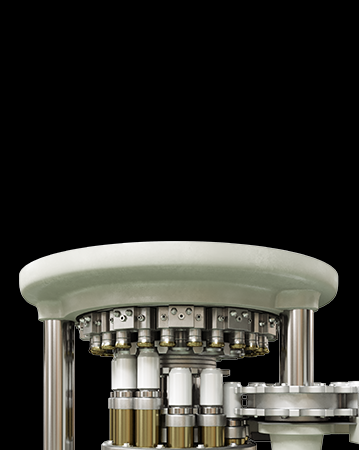
Friction, metal flow, and surface interaction behave differently when operating at the high speeds required for two-piece aluminum can manufacturing. Our solutions are designed to provide stability during aluminum forming, drawing, and ironing processes.

Food cans
In the production of three-piece tinplate cans, lubrication directly impacts food safety compliance. Our food-grade certified lubricants protect process integrity while helping reduce scrap rates.

Aerosols and aluminum containers
The monobloc extrusion process requires lubricants capable of maintaining performance under extreme pressure and speed. Our lubricants guarantee a consistent production cycles and reliable quality in every component.

Lids and closures
In the forming of metal lids, pull-tabs, and closures, small deviations can lead to major losses. Our specialized lubricants for cutting and stamping processes help reduce scrap rates.
Full control at high speeds.
In cans and metal containers manufacturing, even minimal variations in lubrication during drawing, stamping, or metal forming can compromise final product quality and disrupt the entire production line.
Consequences of poor lubrication in metal forming:
Surface scratches and drawing defects
Premature wear of critical components
Excessive waste generation
Potential food safety risks
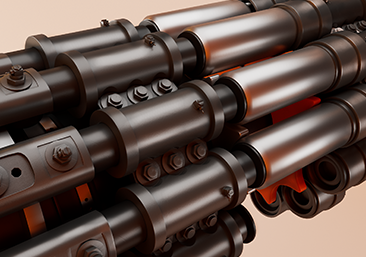
Higher quality, greater stability, and fewer defects per hour.
We intervene at critical metal-to-tool contact points to ensure continuous production performance, even under the most demanding operating conditions.
Benefits of having a strategic lubrication:
 Increased productivity rates.
Reduced scrap and waste.
Lower lubricant consumption.
Extended lifespan of critical components.
Specialized lubricants for metal packaging.

Liplex HP2
Lubricant for bearings and peripherical mechanisms.
Provides excellent thermal stability and reliable performance under variable speed conditions.
Contact us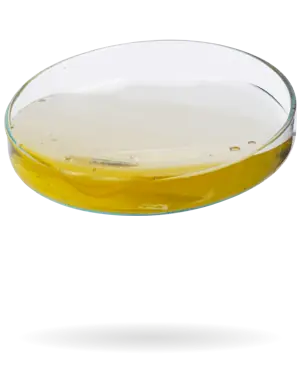
Gear ETZ
Lubricant for bodymaker.
Oil designed to withstand high loads and temperatures in can forming operations. Prevents residue formation.
Contact us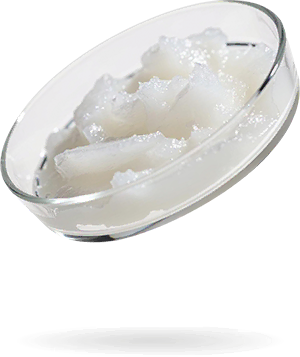
Interwax 60
Specialty lubricant for can necking operations.
Petrolatum-based lubricant for necker machines. Food-grade lubricant with NSF U1 and H1 certification. Excellent performance at high operating speeds.
Contact us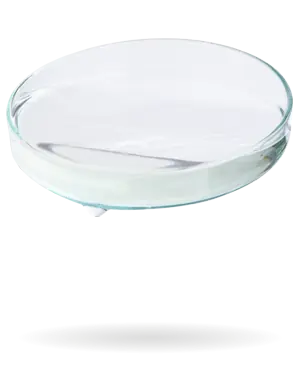
Interoil FGL GC 15
High-performance lubricant for bodymaker machines and aluminum stamping.
Food-grade oil with NSF H1 and 3H certification. Provides excellent resistance to extreme temperatures while maintaining lubricating performance.
Contact us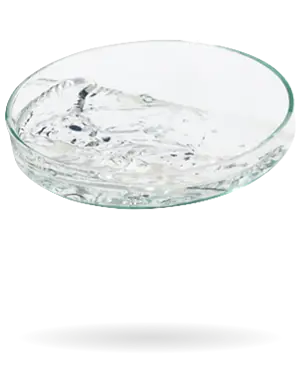
Stamp Fluid
High-performance lubricant for metal stamping and punching.
Oil with NSF registration for can beading processes. Resistant to extreme loads with controlled evaporation characteristics.
Contact us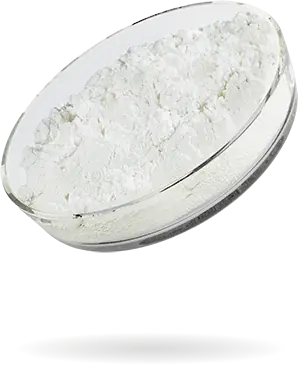
Interform Paste AI
High-performance lubricant for monobloc process.
Designed to ensure superior metal surface finish. Prevents residue formation and improves productivity.
Contact us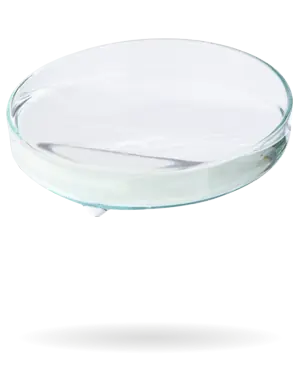
Interoil AI
Synthetic lubricant for metal closure manufacturing.
Fast-evaporating lubricant with NSF H1 food-grade certification. Ready to use and does not require removal from the container.
Contact us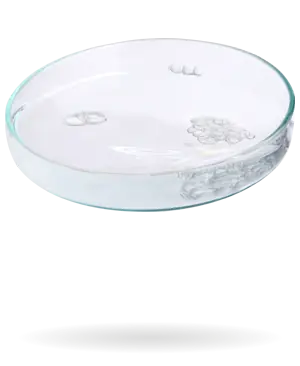
Interoil Dry Cut C
Synthetic lubricant for tinplate closures.
Food-grade synthetic evaporative oil with NSF H1 certification. Free from restricted materials.
Contact us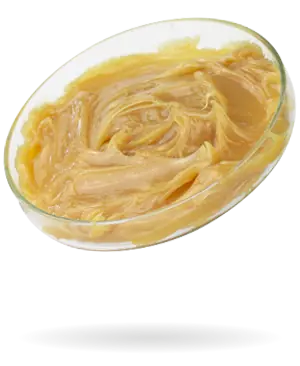
Aliplex CA 102
Synthetic bearing lubricant for the food industry.
Grease resistant to chemical environments and high temperatures with NSF certification. Excellent adhesion to moving metal components.
Contact us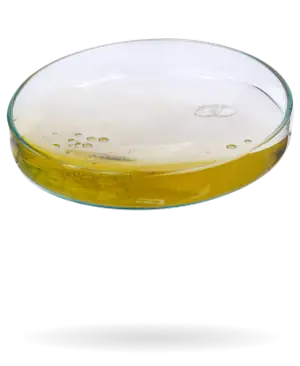
Cad Food HT 220
Synthetic lubricant for chains at high temperatures.
Synthetic grease designed for decorator oven chains. Food-grade lubricant with NSF H1 certification that maintains performance over extended operating periods.
Contact usTechnical articles.
Knowledge grows when shared. Explore our specialized content on friction management and industrial lubrication applied to aluminum forming and drawing processes.
Importance of Lubrication in Aluminum Ends with Pull Tabs
Learn how efficient lubrication with specialized lubricants can boost productivity, reduce defects, and ensure food safety in aluminum end manufacturing for cans.
Read the contentAdditional resources.
Explore our technical tools designed to improve performance and reduce lubrication-related risks.

Frequently Asked Questions.
How does lubrication affect aluminum stamping and punching processes?
Lubrication in aluminum stamping and punching is a critical variable that directly influences forming stability, surface finish quality, tooling service life, and process energy efficiency. In high-speed operations, an unstable lubricant film can cause scratches, fractures, residue buildup, or dimensional variations. When lubrication is strategic, it ensures controlled friction, uniform metal deformation, and compatibility with downstream processes such as coating or varnishing.
What are the most common defects in metal packaging that affect productivity?
The most common defects in metal packaging manufacturing include surface scratches, die marks or drag marks, fractures or microcracks in high-deformation zones, incompatibility with coatings, contamination from lubricant residues, and thickness variations. These defects directly increase scrap rates, rework, and unplanned downtime. The correct lubricant solution significantly reduces these risks.
How can stability be improved in high-speed production lines?
Stability in high-speed metal packaging lines depends on three key factors:
1. Proper lubricant formulation based on the process type
2. Precise application and dosing control
3. Continuous technical monitoring
In continuous stamping operations, small friction variations can quickly multiply across thousands of parts per minute. Strategic lubrication helps maintain stable conditions, minimize variability, and protect overall system performance.
What should be considered when selecting food-grade lubricants for metal packaging?
In food and beverage packaging applications, it is essential to consider regulatory compliance, NSF H1 certification, compatibility with internal coatings, low residue formation, and easy cleanability. Food safety must be integrated without compromising lubricant performance.
What do containers deform during necking or final can forming?
Deformation during final forming stages in metal containers is usually caused by a combination of mechanical and tribological factors. The most common causes include unstable friction between tooling and material, insufficient or poorly distributed lubrication, excessive deformation per stage, variations in thickness, or tooling misalignment and wear. In two-piece and monobloc processes, if the lubricant film loses stability, localized friction increases and the material may collapse, wrinkle, or lose its geometry.
How can cracks in domes and flanges of metal containers be prevented?
Cracks in domes and flanges typically originate from excessive stress concentrations during forming operations. Common causes include inadequate lubrication in high-deformation zones, elevated tooling friction, micro-wear in dies or punches, limited material ductility, or poorly adjusted forming parameters.
To minimize this risk:
• Select lubricants designed for severe deformation processes.
• Guarantee uniform lubricant coverage across the entire surface.
• Control dosing in high-speed operations.
• Periodically inspect tooling condition.
Proper lubrication management in metal packaging manufacturing significantly reduces cracking risks and improves the structural reliability of the final product.



Speak with a
Specialist.
Schedule a virtual consultation.
We help you identify and capitalize on plant improvement opportunities.