Lubricants for high-temperature ovens
Maintain control in critical processes.
Request a free consultation
Recommended by:








Superior resistance.
Assured reliability.
60% of high-temperature furnace failures are caused by poor lubrication. The friction of mechanisms exposed to extreme heat demands specialized and reliable lubricants that maintain process continuity.
Consequences of poor lubrication in high-temperature processes:
Dripping that stains profiles during aging or painting.
Lubricant carbonization.
Premature bearing wear.
Unexpected downtime.
The ideal solution controls friction against extreme heat.
High-performance lubricants for high temperatures.
Chains and bearings in furnaces.
In aging and painting furnaces, components operate under elevated temperatures. To guarantee production continuity, mechanisms require a lubricant that maintains its properties under these conditions.
Corrosion, rust and wear protection.
Fewer unexpected downtimes.
Production stability.
Excellent high-temperature performance.
Continuous protection for critical components.
Reduced run-off and dripping.
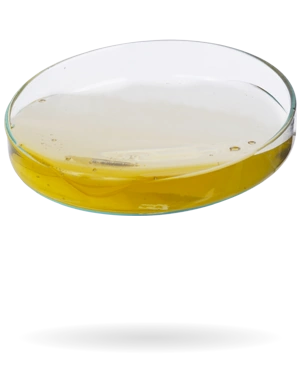
Cad Tex HT
Synthetic lubricant for high-temperature chains.
Synthetic oil for furnace chains operating up to 250°C. Provides excellent protection against corrosion caused by moist vapors.
Features:
Ester-based | -10 to 250°C service temperature | Crystalline amber color
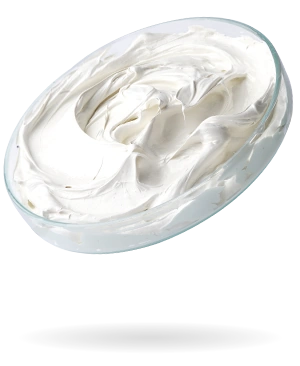
Thermaplex LCM 2
Synthetic lubricant for bearings in tempering ovens.
High-performance grease with PFPE base oil and PTFE thickener. Provides a long service life for bearings due to its excellent thermal resistance.
Features:
NLGI Grade 2 | 38 cSt base oil viscosity at 100°C | White color
Benefits with a single objective:
superior results.
Beyond offering innovative lubricant technology, we focus on providing a suite of services designed to help you implement a more strategic lubrication practice, achieving extraordinary results.
Benefits of our high-performance lubricants:

Purpose-driven technology.
Lubricants designed to address your challenges and unlock your equipment's full potential.

Applied engineering.
We offer tools that translate complexity into precision and clarity for your maintenance operations.

Dedicated support.
More than just consulting, we partner with you to empower your team and transform your industry.

Strategic approach.
We pinpoint critical areas in your operations to identify the levers that maximize results.

Meaningful transformation.
Our integrated service guarantees process productivity and paves the way to a more sustainable future.

Efficient logistics.
We have built a distribution and transportation network that ensures local presence and on-time solutions.
Discover our success stories
We are the partner chosen by industry leaders around the world to transform the future of their industries. Learn how leaders across the globe are improving their results with our approach.
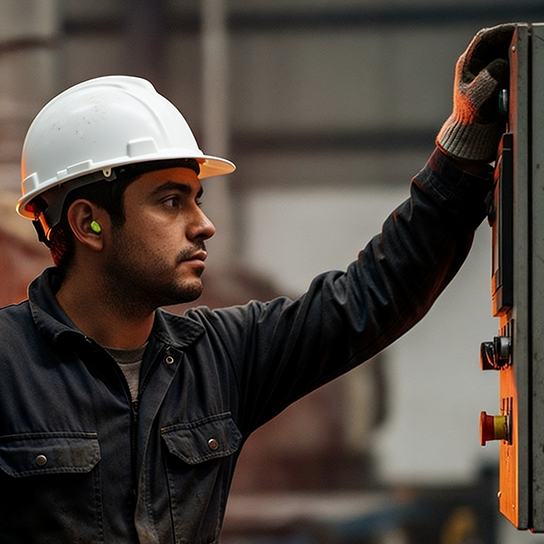
Bonnell Aluminum switches from boron nitride to Interforge KI-C and puts an end to surface defects on its extruded profiles.
At a metalworking facility in the United States, boron nitride had long been the go-to solution for pushers and shear blades — but what once seemed like standard practice was quietly becoming a liability. Staining on aluminum profiles, process contamination, excessive lubricant consumption, and the very real danger of applying the product at temperatures reaching 600 °C had turned a routine procedure into a critical issue of quality, cost, and safety. Discover how a targeted intervention transformed the process and delivered measurable results in the full case study.
Read the full case study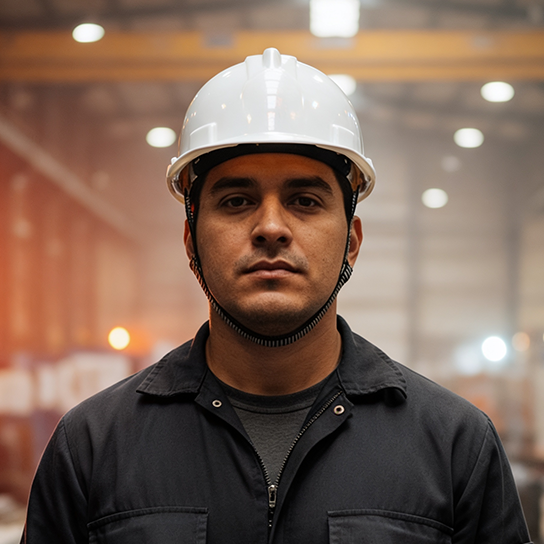
A Colombian manufacturer replaces three separate lubricants with Interforge KI-C and saves $60,788 USD in its aluminum extrusion process.
At an aluminum extrusion operation in Colombia, lubrication had become a fragmented, high-risk affair: three different products, manual application at extreme temperatures, acetylene flame, boron nitride, and wax — each adding its own layer of complexity, cost, and danger for the workforce. The solution called for a fundamental shift in approach: consolidating into a single lubricant and automating its application. The outcome was immediate and far-reaching — greater process control, a dramatic reduction in costs, and a safer working environment. Read the full case study to learn how it was done.
Read the full case study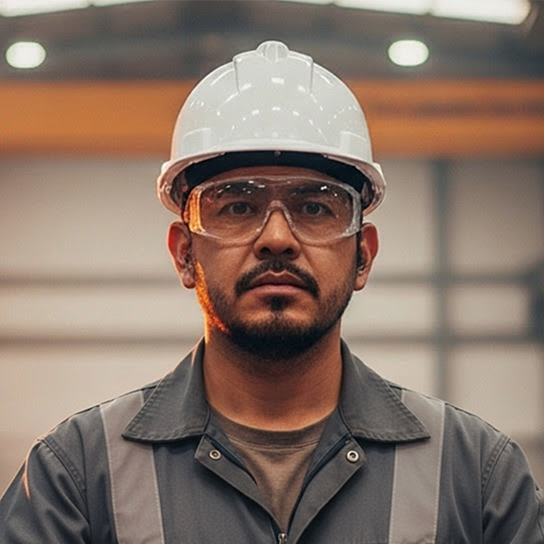
A manufacturer in Mexico lubricates the bearings of its hardening furnace with Thermaplex LCM 2 and cuts annual maintenance and parts costs by 70%.
At a manufacturing operation in Mexico, the bearings inside a hardening furnace were failing with alarming regularity. The culprit: a grease that simply couldn't hold up against temperatures of up to 450 °C. As it melted away, components were left unprotected — leading to irreversible damage, unplanned downtime, excessive lubricant use, and contamination throughout the work area. The intervention focused on rethinking lubricant selection from the ground up, matching the product to the real-world demands of the process. Discover how operational stability was restored and costs brought under control in the full case study.
Read the full case study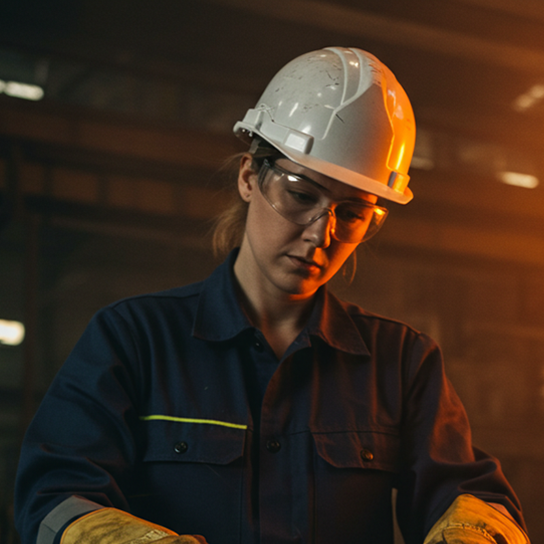
A manufacturer in Mexico switches from boron nitride to Extruoil B7 and eliminates 100% of its operational risk.
At an aluminum extrusion facility in Mexico, boron nitride had become more than an inconvenience — it was a genuine threat. Toxic dust in the air, machinery contamination, health impacts on the workforce, and a slow, costly supply chain had transformed what seemed like a functional solution into an operational and safety hazard. A complete reassessment of the lubrication approach changed everything. Find out how the risk was eliminated and the operation optimized in the full case study.
Read the full case studyFrequently asked questions.
Why can chains in painting furnaces stain aluminum profiles?
Chains in painting or aging furnaces can stain aluminum profiles when the industrial lubricant loses stability at high temperatures, its viscosity drops, or it exhibits run-off during operation. Under these conditions, the lubricant may drip or transfer from the chain onto the profiles as they move through the furnace, directly affecting the surface quality of the aluminum before or after the painting process.
How does chain lubricant degradation affect the aluminum profile painting process?
Lubricant degradation in furnace chains can cause direct contamination of aluminum profiles, affecting paint adhesion and uniformity. It can also lead to residue buildup on the chain, increasing friction, component wear, and the risk of unscheduled downtime. This impacts process efficiency and increases the need for rework on the surface finish. Therefore, it is advisable to use a specialized lubricant that maintains stable viscosity under severe thermal conditions, shows a low tendency for runoff, and resists evaporation during continuous operation.
What problems occur when bearing grease carbonizes in aging furnaces?
Grease carbonization in aging furnace bearings generates solid deposits that directly affect the component’s lubrication and performance. These deposits increase friction, raise operating temperatures, and reduce the bearing's service life. As a result, premature failures, vibrations, excessive noise, and unscheduled furnace shutdowns may occur. Selecting a grease with high thermal stability and a low carbonization tendency is key to maintaining process reliability.
How does proper lubrication of chains and bearings influence the continuity of the aluminum extrusion process?
Proper lubrication of chains and bearings in aluminum extrusion processes is key to ensuring operational continuity and process stability. Correct selection and application of industrial lubricants reduce friction, wear, and the risk of mechanical failure in critical peripheral components operating in furnaces and auxiliary systems. This allows for more stable operation, decreases the frequency of corrective maintenance, and prevents unscheduled interruptions, improving the efficiency and reliability of the extrusion process.
What best practices should be considered when selecting lubricants for high-temperature applications?
The selection of industrial lubricants for high-temperature peripheral applications must be based on real operating conditions and specific process requirements. It is fundamental to consider the temperature range, the lubricant's thermal stability, its oxidation resistance, and its tendency to generate residues or carbonization. It is also recommended to use products designed for each specific application, such as chains or bearings, and to apply controlled lubrication methods that avoid excess, process contamination, or loss of efficiency. Proper selection improves equipment reliability, reduces maintenance costs, and ensures operational continuity under severe thermal conditions.
Let’s talk about your process.
Receive a technical recommendation based on the real conditions of your operation.

